How to Actually Enjoy Christmas Day
*(Or: the quiet triumph of doing things in advance)*
There is a particular kind of Christmas Day misery that comes from believing, briefly, foolishly that you can simply “wing it”. This belief usually strikes around December 23, fuelled by optimism, prosecco and denial, and is invariably punished by 11am on Christmas morning when nothing is ready, the oven is full of things that all require different temperatures, and someone is asking if the gravy is vegetarian.
The truth is this: the calmest Christmases are built in advance, layer by layer, like good tailoring or a sensible pension. The aim is not perfection, but effortlessness, the illusion that it has all just *happened*, when in fact you have been quietly organising since mid-November like a very benevolent general.
Here is how.
Gravy: the non-negotiable
Making gravy on Christmas Day is madness. Not the romantic kind—just exhausting, joyless madness. There is too much else going on. Instead, make it weeks ahead, on a calm evening when the house is quiet and no one is demanding roast potatoes *immediately*.
A proper make-ahead gravy improves with time, develops depth, and freezes beautifully. Delia's Gravy is widely loved for a reason, but any rich, stock-led version will do.
Once it’s made, freeze it and put a reminder in your phone for December 24: “Thaw gravy.” This small administrative act will bring you an unreasonable amount of pleasure.
At this point, the foundation stone of Christmas lunch is laid. This is also the point at which I strongly recommend a small reward. Not a glass of wine (you’re still operating machinery), but something quietly cheering, a pulse-point roller ball, anything that smells calm and reminds you that this is meant to be enjoyable.
Bread sauce: soothing, old-fashioned, excellent
Bread sauce is one of those things that feels oddly therapeutic to make. It is low-effort, deeply comforting and freezes without complaint. Make it ahead, leave out the butter and add that on the day.
Nigella’s version is a classic; extra cloves and peppercorns are never a bad idea. When reheating, add a little more milk if it’s thickened. Bread sauce is forgiving unlike people.
Potatoes: plan your position
You can freeze parboiled potatoes up to a month ahead and many very competent cooks swear by it. If you are relaxed about potatoes, do this and feel virtuous.
If, however, roast potatoes are the emotional centre of your Christmas (as they are for many of us), then do the following instead, on December 24:
* Peel and chop
* Parboil for **exactly 10 minutes**
* Drain and rough them up thoroughly
* Lay them out on roasting trays
Then store them somewhere very cold. A garage works. A shed works. A stationary car, in winter, is excellent - essentially a second fridge with better airflow. This alone saves hours on Christmas Day.
Dry potatoes = crisp potatoes, so leave them uncovered if possible to let the steam escape.
Parsnips, cabbage, and the joy of freezing things
Parsnips can be parboiled for two minutes, cooled and frozen weeks in advance. They roast beautifully afterwards and do not suffer for it.
Red cabbage actively benefits from being made ahead. The flavours soften, deepen and improve. Make it a week or two early, freeze it, and reheat gently.
This is one of those rare moments when advance planning genuinely improves the final result.
Pigs in blankets (freeze them, obviously)
Homemade or shop-bought, pigs in blankets freeze perfectly. Do not overthink this. Freeze them. Defrost them. Cook them. Accept praise.
Cranberry sauce, brandy butter, and other quiet wins
Cranberry sauce can be made weeks ahead and kept in the fridge, quietly waiting. So can brandy butter. Neither requires attention. Both will make you feel extremely organised.
Decanting these into proper bowls early, covering tightly and chilling - one less thing to think about on the day.
Extra tips borrowed from sensible people with nice kitchens
A few more ideas worth stealing:
Lay the table on Christmas Eve. You will feel smug and the room will instantly look festive.
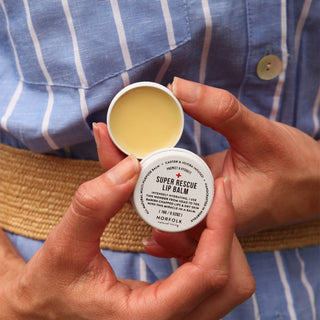
Christmas Eve is also an excellent moment to put out any small presents or stocking fillers that don’t require thought on the day. I’m a fan of things that feel useful rather than exciting, lip balm, a hand cream, a calming shower mist, the sort of gifts people immediately use, which is really the highest compliment.
Label freezer bags. No one wants to play “Is this gravy or soup?” at 9am.
Write a simple cooking order. Just a list. On paper. It will save your sanity.
Serve starters cold. Smoked salmon, cured fish, pâté—anything that doesn’t involve heat is a gift.
Delegate washing-up early. Choose someone kind and competent and make them feel essential.
Where this leaves you:
By Christmas Eve, you can have gravy, bread sauce, potatoes, parsnips, cabbage, pigs in blankets, cranberry sauce and brandy butter all ready to go.
Which means that on Christmas Day, you are not cooking so much as assembling. Heating. Finishing. Pouring drinks. Sitting down.
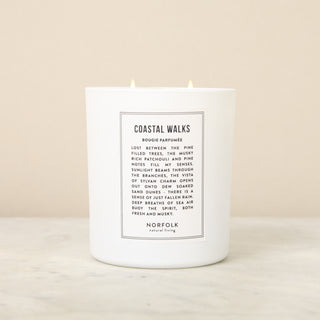
One final thing: keep something grounding within reach on Christmas Day itself. A candle lit in the sitting room, a few steady breaths, a roll of something gently herbal on the wrists. It sounds trivial, but it’s remarkable how much it helps to pause for ten seconds before the final onslaught of plates.
And that, really, is the point.
A good Christmas lunch should feel generous, warm and unhurried, not like a test of character. Preparation is not cheating. It is wisdom.